


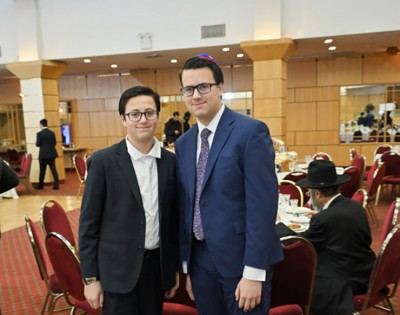
TOV Youth Minyan Celebrates Historic Siyum HaShas In Kew Gardens
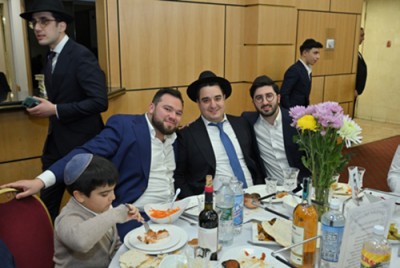
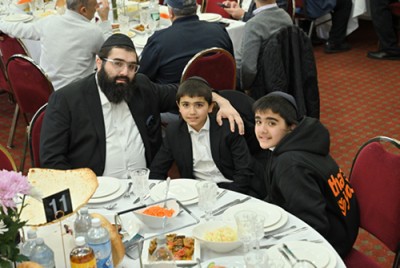
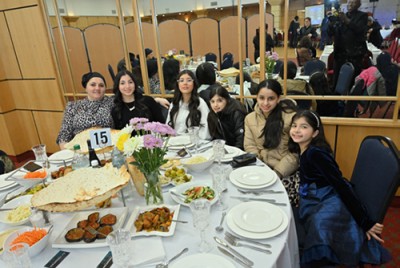
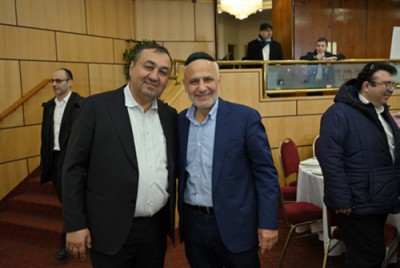
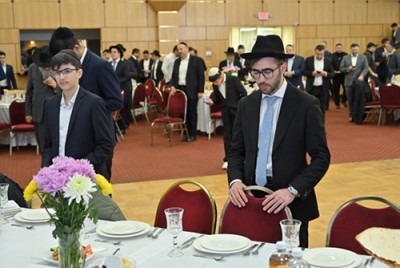
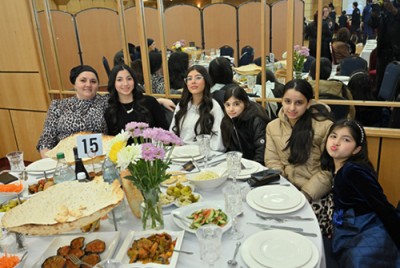
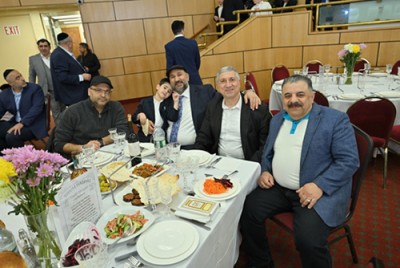
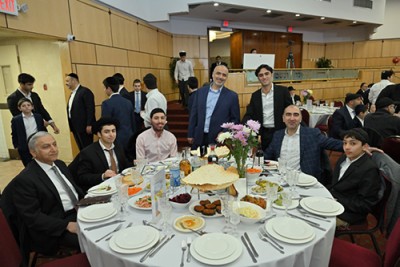
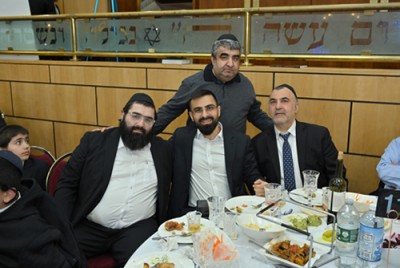
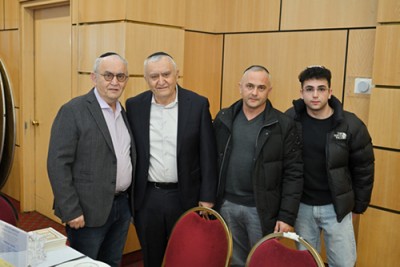
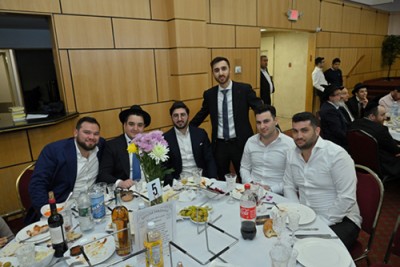
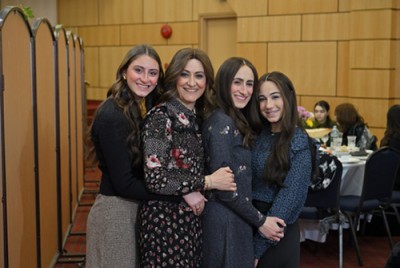
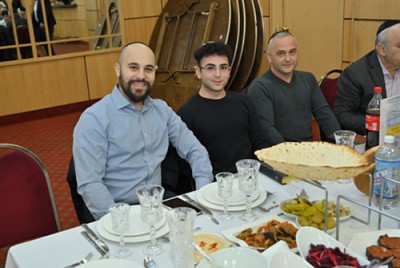
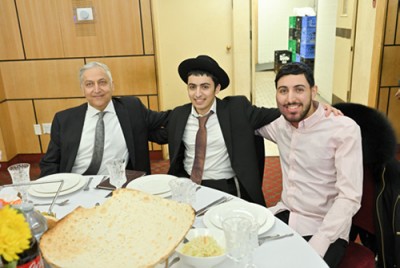
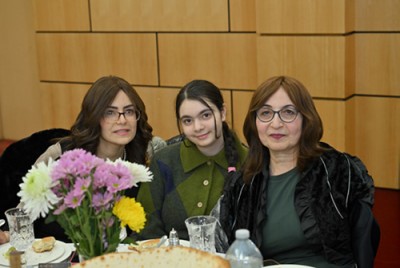
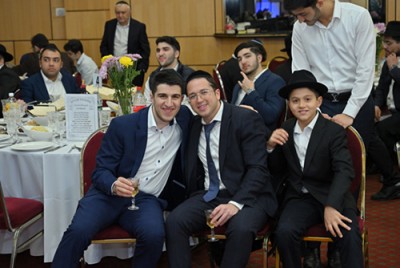
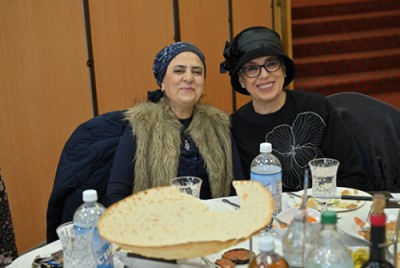
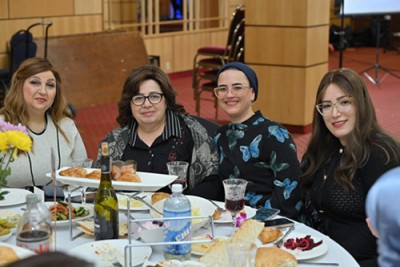
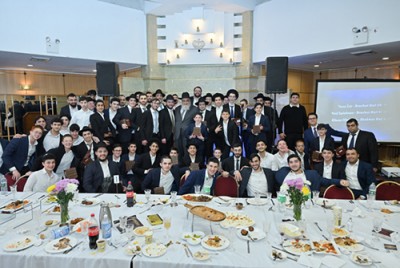
On Sunday evening, March 15, the Shaare Tova Banquet Hall at Ner Mordechai in Kew Gardens was filled with a rare and powerful energy—one that can only be felt when Torah, community, and the next generation come together in a moment of true accomplishment.
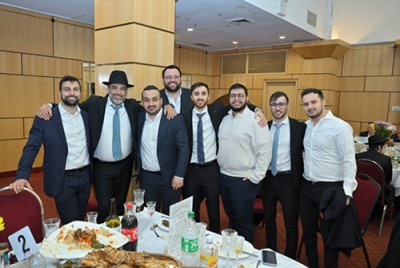
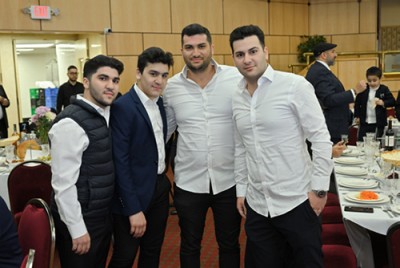
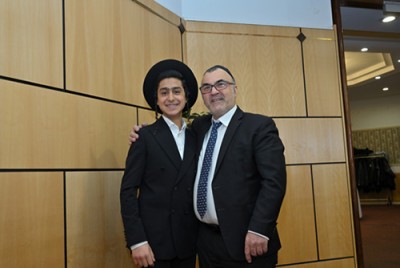
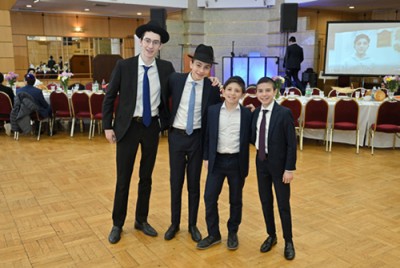
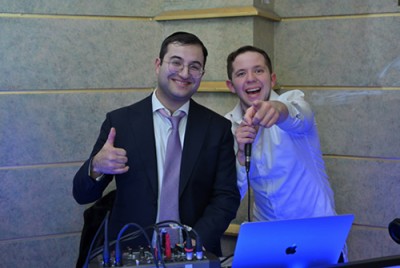
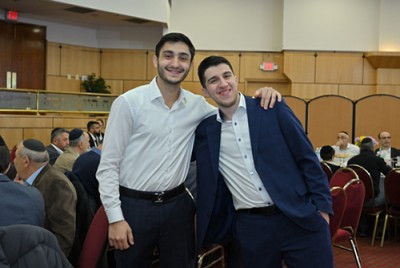
The TOV Youth Minyan celebrated a gala Siyum HaShas, marking the completion of the entire Shas by a group of dedicated young men and boys—many of whom balanced school, work, and family responsibilities while committing themselves to consistent Torah learning.
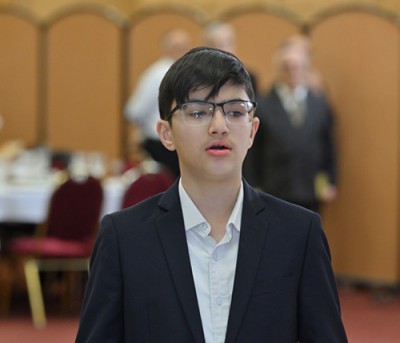
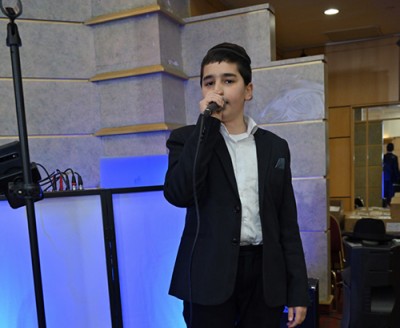
From the opening moments of heartfelt Tehillim, it was clear that this was more than a siyum. It was a statement—about the future, about what is possible, and about who this next generation is becoming.
A Generation That Chose Torah
Throughout the evening, one message echoed again and again: in a world filled with distractions, these young men chose to “steal time” for Torah.
They learned at night, between obligations, and beyond their comfort zones. Some completed full masechtot, others perakim or dapim—but each participant became an essential part of a greater whole. Together, they completed all 2,711 dapim of Shas.
People often ask with concern: What will be with the next generation?
The answer was standing in the room.
This generation—despite unprecedented challenges—is rising.
Behind this achievement stood the steady guidance of Rabbi Yechiel Benari, program coordinator of the TOV Youth Minyan, whose leadership helped shape both the learning initiative and the evening itself. Through consistent encouragement, structure, and personal connection with the participants, he ensured that each young man not only committed to learning, but felt accountable to the larger mission. His role extended far beyond logistics—he helped build a culture where Torah growth became both personal and shared.
One of the most emotional threads of the night was the journey of the Bukharian community itself.
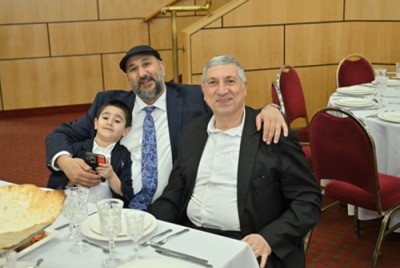
Parents and grandparents who came from Bukhara, Samarkand, and Tashkent—many without access to formal Torah education, some without even knowing Hebrew—now sat watching their children and grandchildren complete Shas.
It was a moment of continuity. A living answer to history. A fulfillment of sacrifice.
What previous generations could not access, this generation has embraced—and elevated.
Torah That Is Lived
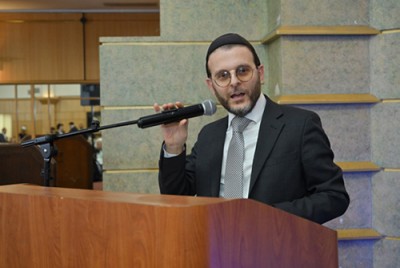
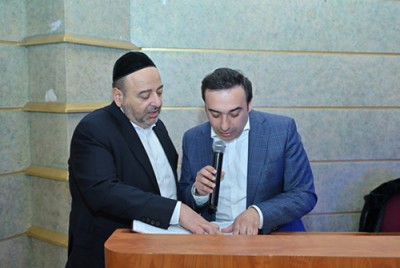
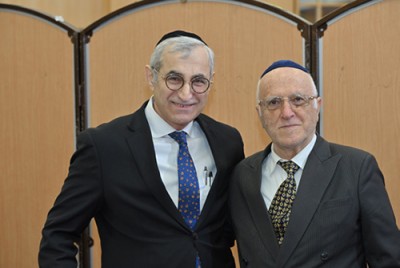
Guest speaker Rabbi Uri Lati delivered one of the most powerful messages of the evening, challenging the audience to rethink what it means to learn Torah.
Drawing from the closing lines of Shas, he explained the distinction between one who merely has a portion in the World to Come and one who lives as a ben Olam Haba—a person whose Torah defines his life in this world.
Learning alone, he stressed, is not enough.
“There are people who learn—and leave the Torah behind when they walk out,” he said. “And there are those who carry it with them into everything they do.”
The difference is transformation.
Rabbi Lati illustrated this with a relatable example: a father who constantly complains about the burden of mitzvot unintentionally teaches his child that Torah is something heavy. Another father, equally tired, speaks with excitement—“another opportunity for Shabbos, another chance to learn”—instilling love and pride instead. The lesson is not only what is taught, but how it is lived.
He emphasized that klal Yisrael accepted the Torah with naaseh v’nishma—to do and then to understand—highlighting that action is central. Torah is not meant to remain intellectual; it must be lived, expressed, and carried into daily life.
Weaving together Torah sources and powerful stories, including a lesson drawn from the Chafetz Chaim, Rabbi Lati delivered a clear message: when Torah becomes part of a person, it sharpens sensitivity, shapes decisions, and defines identity.
Rabbi Menashe Sadka, rav of the shul, reinforced this theme while emphasizing the unity behind the accomplishment. Each participant, regardless of how much he learned, was essential. The siyum was only possible because of collective effort—an expression of true achdut.
A video presentation highlighted the growth of the TOV Youth Minyan, revealing something deeper than a program. For many participants, it has become a place to grow, a place to belong, and a place to connect. Young men spoke about finding friendship, direction, and purpose—turning what began as a youth minyan into a foundation for life.
A particularly moving moment came during the evening’s appeal, as community members stepped forward to support the initiative. Multiple donors committed significant contributions, recognizing that supporting Torah learning is not just a donation—it is an eternal investment.
The Real Siyum
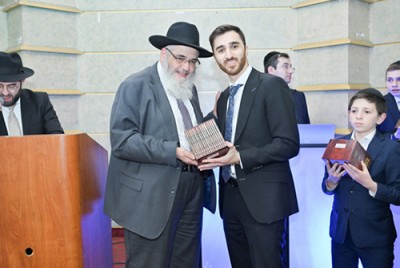
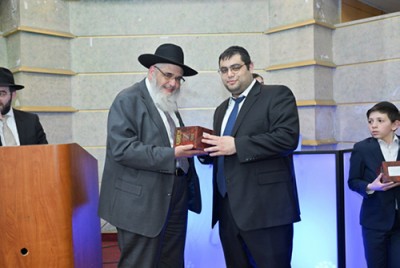
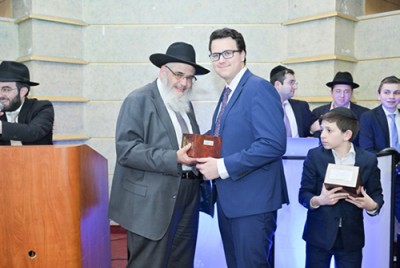
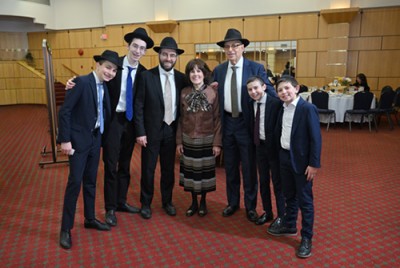
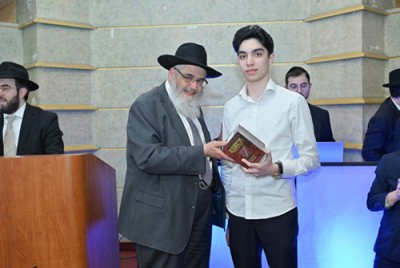
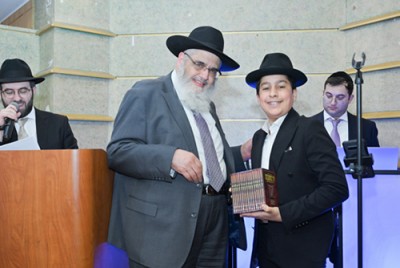
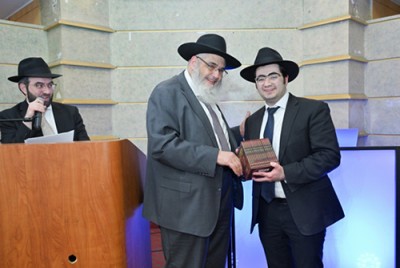
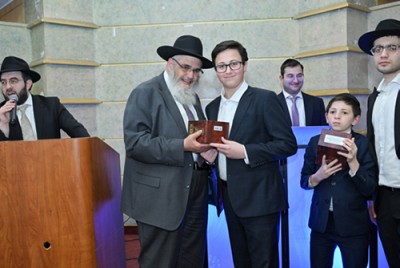
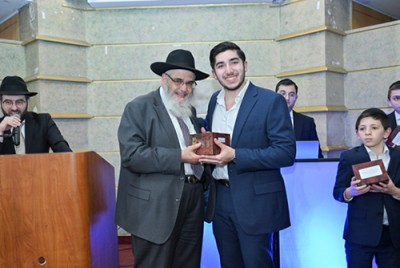
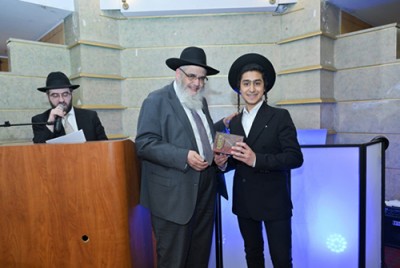
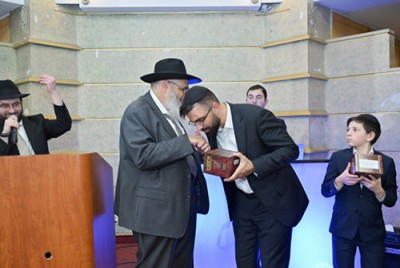
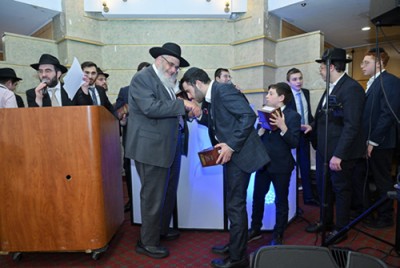
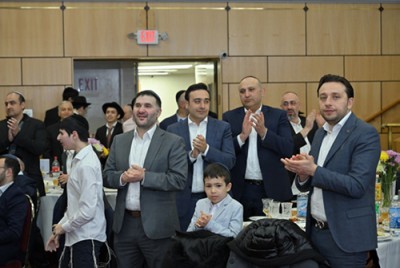
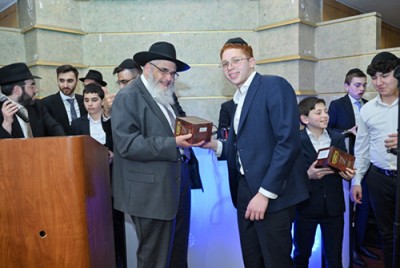
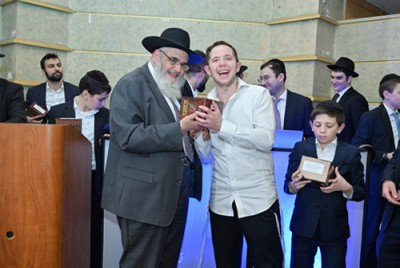
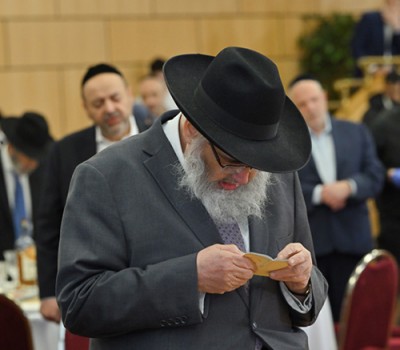
One by one, participants were called up and presented with sefarim marking their accomplishment. The applause was filled with pride—these were not just participants, but builders of the future, young men bringing nachas to their families, their community, and to Hashem.
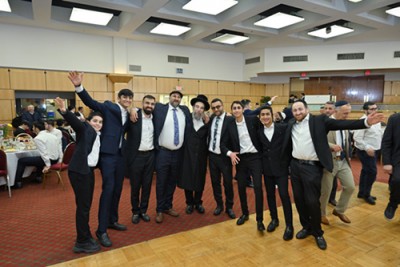
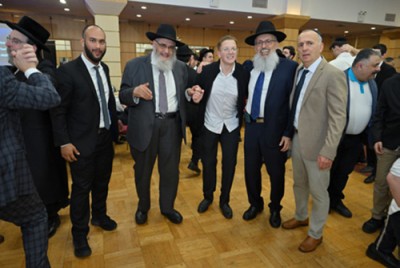
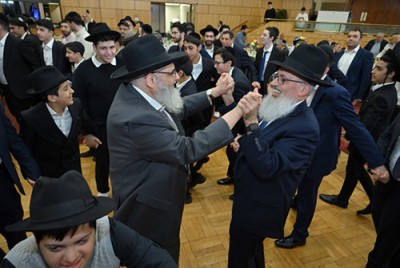
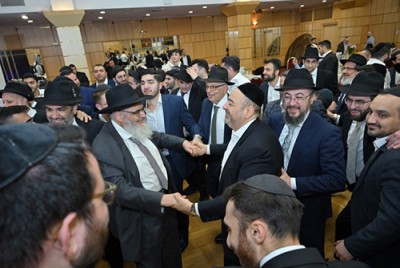
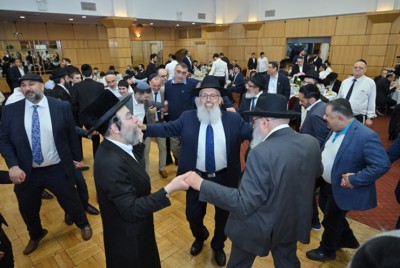
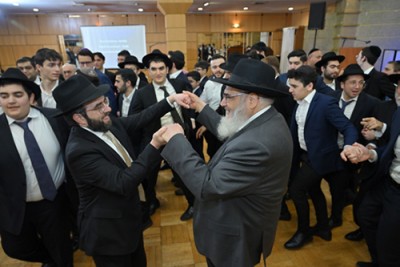
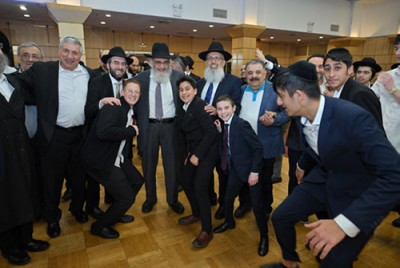
Following the siyum, the hall erupted in dancing. The joy was real, the energy electric.
And then came the moment that captured the essence of the night:
They began again.
As was expressed so simply and powerfully:
“You can’t finish without starting again.”
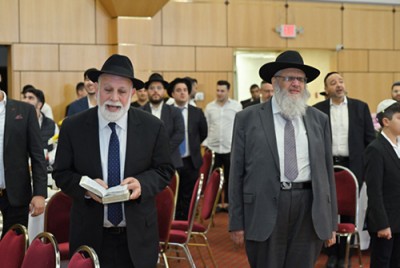
The first lines of Shas were restarted, signaling that this was not an end, but a beginning.
What took place that evening was more than a celebration. It was the establishment of a new standard—a generation that makes time for Torah, a community that supports it, and a movement that builds it together.
The future of klal Yisrael is not in question.
It is already here.
“You Can’t Finish Without Starting Again”
Typography
- Smaller Small Medium Big Bigger
- Default Helvetica Segoe Georgia Times
- Reading Mode